

A European
tradition
From the Middle Ages to today — the story of the doctoral cap, the gown and academic dress
“Cap and gown — a European tradition that reaches from the Middle Ages to the present day and is lived out at graduation ceremonies around the world.
The Gown
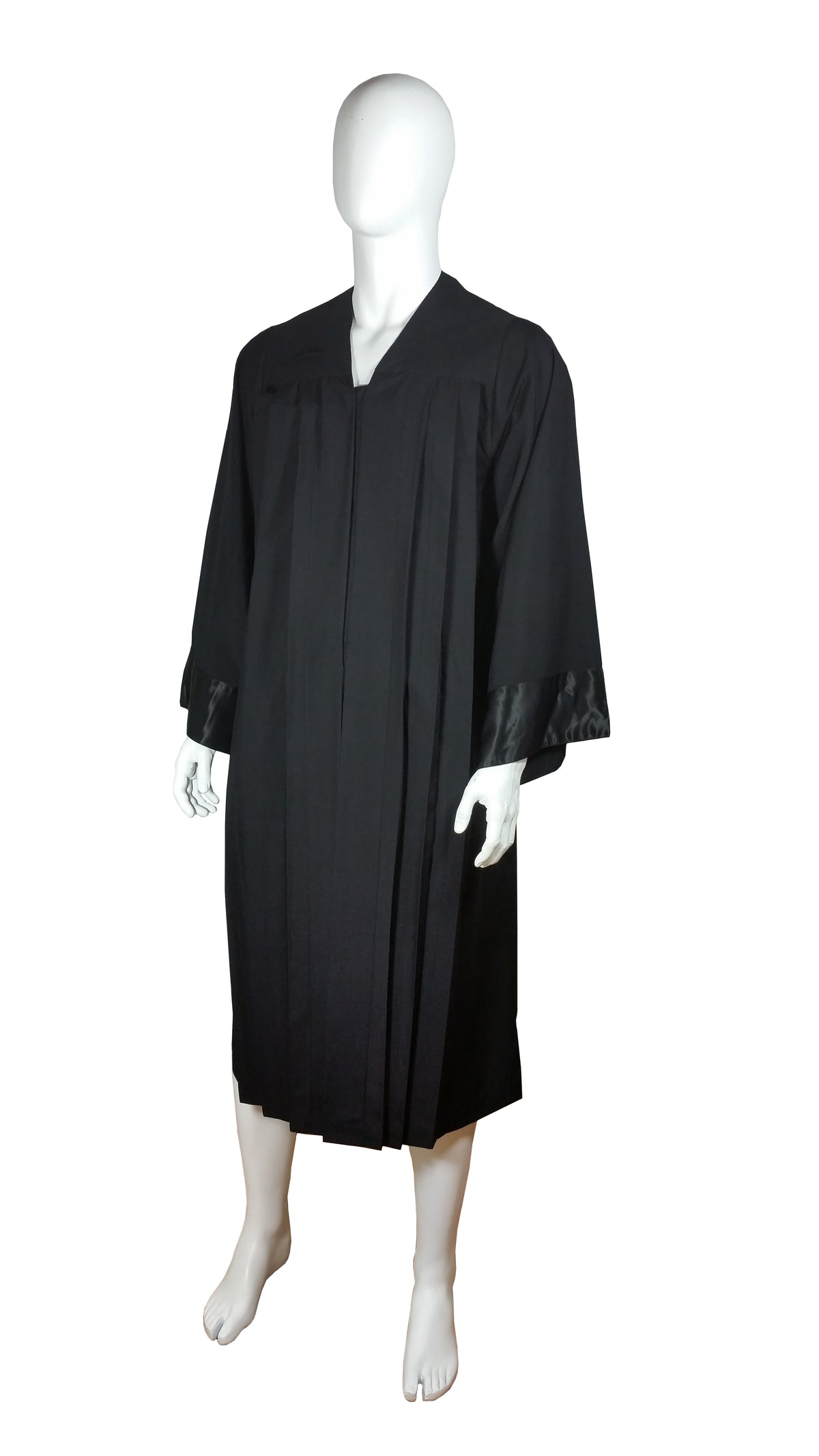
The gown has its historical origins as academic dress at the medieval universities. Alongside clerical office-holders and representatives of the state, judges in particular, the ankle-length robe also took hold in the academic sphere as an over-garment — a response to the cold, draughty university halls of the Middle Ages.
The office-holders of the young universities called for a robe of office befitting their standing at solemn doctorates and rectorial handovers. The Prussian government thereupon ruled that professors should appear in ordinary black dress, which might at most be adorned with silver embroidery on the chest and collar.
Historic faculty colours (Prussia)
Protestant Theology
Violet
Law
Purple
Medicine
Scarlet
Philosophy
Dark blue
Milestones of academic dress
Medieval universities
The first universities in Bologna, Paris and Oxford. Long robes as the everyday dress of scholars in the cold university halls.
The biretta emerges
The doctoral cap and biretta become established as the headwear of scholars — a symbol of attaining the doctoral degree.
Prussian order
The Berlin Ministry of Culture defines the faculty colours: violet, purple, scarlet and dark blue for the four classical faculties.
American guidelines
The US committee on academic costume issues guidelines: the tassel is worn on the right before graduation, on the left afterwards.
The student movement
The tradition comes under fire from the 1968 movement. Gowns are questioned as a symbol of the old order.
A renaissance of tradition
More and more students are calling for dignified graduation ceremonies. Leading German universities once again celebrate in academic dress.

The Doctoral Cap
Barett · Mortarboard · Graduation Cap
The doctoral cap, or biretta, has been known since the 15th century and belongs to the robe of office of scholars — historically it was the headwear of professors. It was often adorned with elaborate embellishments such as embroidery, strings of pearls or feathers.
Today the doctoral cap is a black, square hat with a tassel. It is no longer worn only by doctors, but by graduates of every field of study. The pairing of cap and gown corresponded to academic robes of office and is worn by students at graduation ceremonies.
„He was handed the insignia of his function: a chair, an open book, a gold ring, the biretta or the hat.“
The Tassel — Tradition and Ceremony
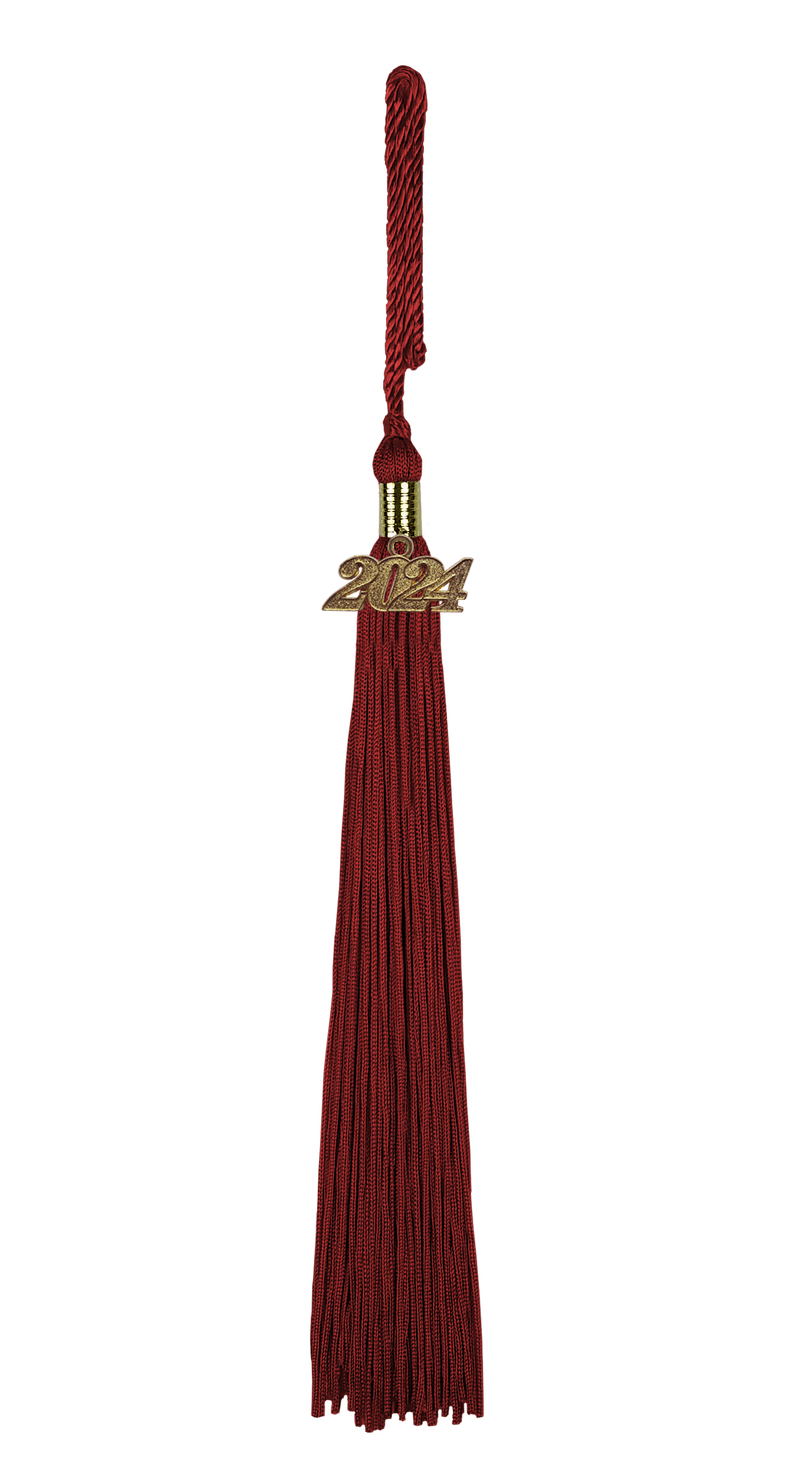
In 1959 the American committee on academic costume and ceremonies issued guidelines for wearing the cap that remain in force worldwide to this day:
During the ceremony
The caps are worn throughout the entire ceremony and the presentation of the graduation certificate.
Before the conferralRIGHT
The tassel is worn on the right-hand side of the cap.
After graduationLEFT
The tassel is ceremonially moved to the left — the symbolic moment of graduation.

The renaissance of the graduation ceremony
More and more students today are calling for their achievements to be honoured appropriately with an official graduation ceremony and the conferral of certificates — and they are proud to wear a gown and a doctoral cap. Leading, renowned German universities actively support this tradition.
And so in Germany, as is customary internationally, we once again have very high-quality and dignified graduation ceremonies in academic dress.
Become part of the tradition
Discover our collection of doctoral caps, gowns and accessories — premium quality, designed in Germany since 2007.
Source: college-fashion.de · The history of the doctoral cap and gown

